Customers of British Gas, OVO, EDF, EON Next, and Octopus are being warned about the hidden cost of vampire devices, which can add up to £140 to annual energy bills. Gordon Wallis, an energy expert at Your NRG, has identified the worst offenders found in homes across the UK.
Vampire power consumption explained
Mr Wallis explained that zombie appliances and vampire power consumption can account for up to 23 per cent of a home's total electricity usage. Over a full year, this wasted energy translates into real money lost. He estimates that it can add between £80 and £140 to annual bills.
Common household culprits
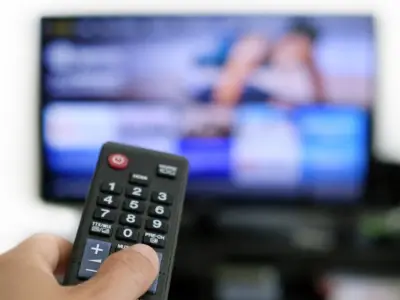
The biggest offenders, according to Mr Wallis, include televisions, set-top boxes, Wi-Fi routers, phone chargers, laptop chargers, and coffee machines. Smart speakers, printers, and baby monitors are also significant contributors to the problem.

"Individually these costs seem small, but together they can easily exceed £100 a year in wasted energy," Mr Wallis warned. He emphasized that with current energy costs, cutting out waste is one of the easiest ways to save money without changing your lifestyle.
Simple habits to save money
Mr Wallis stressed that expensive upgrades are not necessary. "You don't need expensive upgrades - just better habits. Turning things off properly can make a real difference," he said. He described it as one of the easiest leaks in a household budget to fix, yet one of the most overlooked.
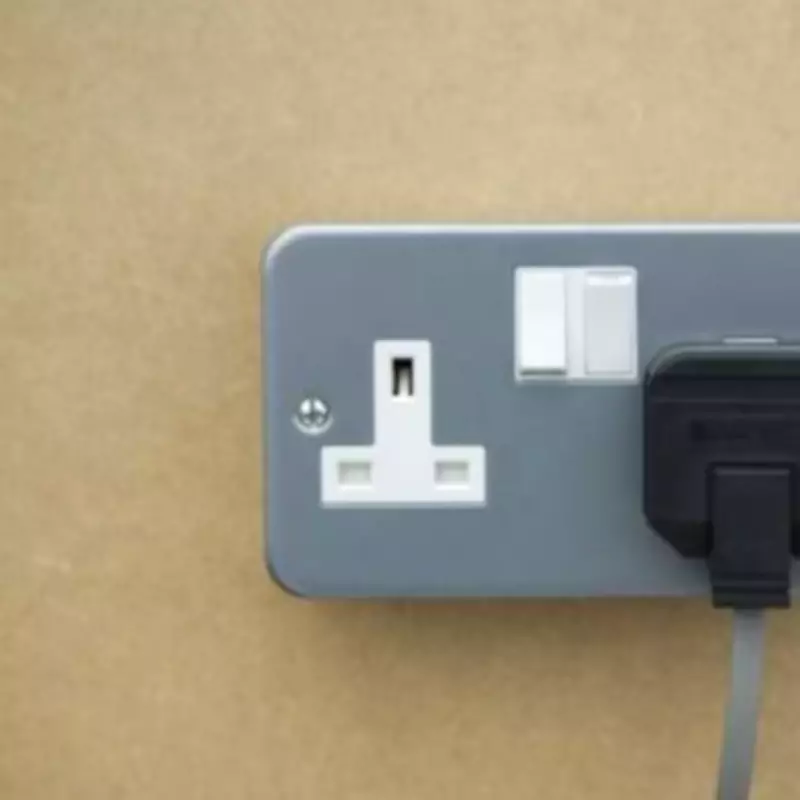
Ecotricity, a leading energy firm, echoed this advice: "Switching things off at the wall won't make you rich overnight, but it's one of those 'win-win' habits - it's good for your bank balance and the planet." They suggested that before bed, people should take a quick look around for tiny standby lights, which they called "little energy vampires." Flipping the switch can save cash and help sleep easier knowing you have outsmarted them.
Mr Wallis agreed, urging customers of British Gas, EDF, EON, Ovo, and Octopus to get into the habit of checking plugs at the wall. By adopting this simple practice, households can reduce their energy waste and keep more money in their pockets.