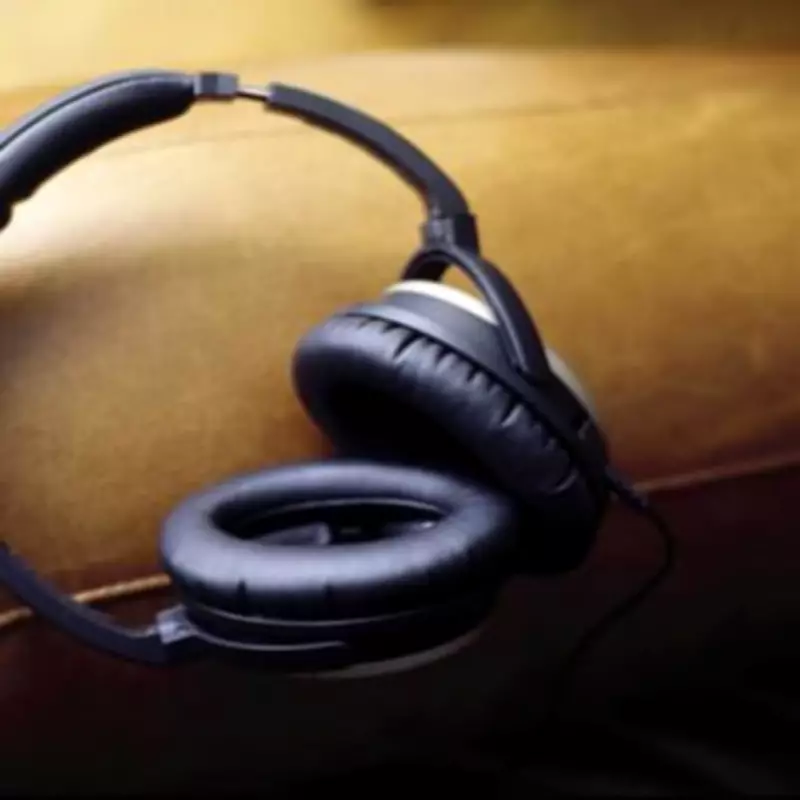
Major Headphone Brands Found to Contain Hazardous Chemicals
A significant health warning has been issued following the discovery of dangerous chemical substances in headphones manufactured by several leading global brands. Research conducted by the ToxFREE project has identified traces of hazardous materials in all tested headphones, including products from Bose, Panasonic, Samsung, and Sennheiser.
Health Risks Associated with Chemical Exposure
The chemicals detected in these popular audio devices have been linked to serious health concerns, including potential cancer development, neurodevelopmental problems, and endocrine disruption that can lead to hormonal changes such as the feminisation of males. These findings have prompted campaigners to condemn what they describe as "a market-wide failure" from headphone manufacturers across the industry.
Karolína Brabcová, a chemical expert at Arnika, which is part of the ToxFree LIFE for All project, explained the mechanism of exposure: "These chemicals are not just additives; they may be migrating from the headphones into our body. Daily use – especially during exercise when heat and sweat are present – accelerates this migration directly to the skin."

Comprehensive Laboratory Testing Methodology
The research team purchased 81 pairs of both in-ear and over-ear headphones for detailed laboratory analysis. The comprehensive testing examined a wide range of harmful chemicals that could potentially transfer to users through prolonged skin contact.
Researchers noted in their report: "Given the prolonged skin contact associated with headphone use, dermal exposure represents a relevant pathway, and it is reasonable to assume that similar migration of BPA and its substitutes may occur from headphone components directly to the user's skin."
Long-Term Concerns and Regulatory Implications
While there is no immediate health risk identified, experts have expressed significant concern about long-term exposure, particularly for vulnerable populations such as teenagers who frequently use headphones for extended periods. Brabcová emphasized: "Although there is no immediate health risk, the long-term exposures – especially for vulnerable groups like teenagers – is of great concern. There is no 'safe' level for endocrine disruptors that mimic our natural hormones."
The ToxFree project has launched a petition urging regulatory action, stating: "Ban the most hazardous substances from consumer products during your mandate between 2024–2029. It is essential that the regulation of chemicals in a wide range of consumer goods is accelerated and tightened. Toxic substances must be banned in groups of similar chemical compositions and toxicity."
This research highlights growing concerns about chemical safety in everyday consumer products and underscores the need for more stringent manufacturing standards and regulatory oversight in the electronics industry.