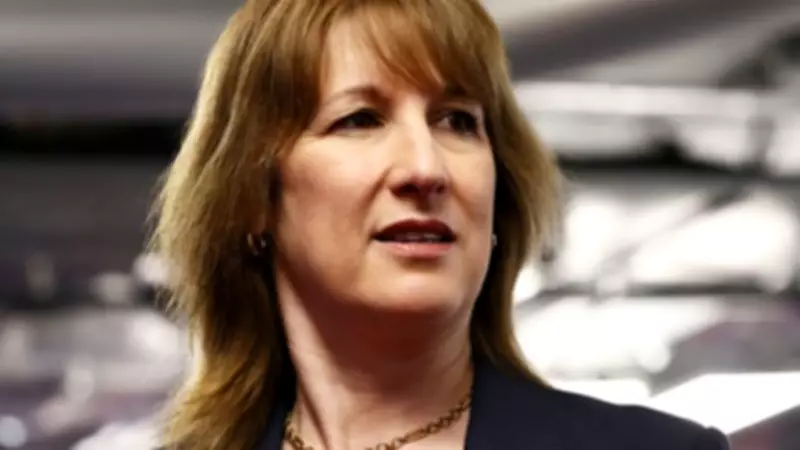
Chancellor Rachel Reeves Set for Spring Statement Address in Parliament
Chancellor Rachel Reeves is scheduled to speak in Parliament on Tuesday, March 3, to deliver the highly anticipated Spring Statement. The Chancellor will take her position at the dispatch box shortly after midday to outline the current financial standing of the nation.
Focus on Fiscal Stability and Economic Updates
The address follows a period of significant legislative changes, including controversial reductions to disability benefits and increases in tax revenue. Last year's emphasis on 'reforming public services' established a precedent for the fiscal path the Treasury is now pursuing.
The 2026 statement will be accompanied by the latest economic and fiscal forecasts from the Office for Budget Responsibility (OBR). Despite the high-profile nature of the event, Chancellor Reeves has previously indicated a shift away from twice-yearly major policy overhauls.

Reeves confirmed that the Government plans to "deliver one major fiscal event a year at the budget" each autumn. Households should anticipate an analytical update on the economy and public finances, rather than a series of sweeping new tax or spending laws.
Emphasis on Predictability and Growth
The Chancellor stressed the importance of a predictable financial calendar. She stated, "This approach gives families and businesses the stability and certainty they need and, in turn, to support the Government's growth mission."
During the Budget last November, the Treasury introduced tax increases totalling £26 billion across various sectors. This 'smorgasbord' strategy was widely seen as a method to create a financial safety net for ambitious spending and borrowing targets.
Among the most discussed measures were the frozen income tax thresholds, which remained in place despite concerns about a headline rate hike. According to reports, these freezes have continued to draw more taxpayers into higher brackets.
Revenue-Raising Measures and Social Support
Additional revenue-raising initiatives included a cap on salary sacrifice schemes and the introduction of a 'high-value council tax surcharge'. This 'mansion tax' specifically targets English properties valued above £2 million.
Reeves also used the previous budget to allocate funding toward lower-income households. This included the significant step of abolishing the two-child benefit cap to help reduce national child poverty levels.
Calls for Reforms and Economic Challenges
Campaigners are currently urging the Government to use the Spring Statement to overhaul the student loan framework. There is growing demand for more equitable regulations to alleviate the burden on graduates nationwide.
The lead-up to that budget was disrupted by substantial leaks and internal disclosures about the Government’s plans. This culminated in the OBR releasing its entire fiscal outlook prematurely, leading to a major leadership change at the watchdog.
Richard Hughes, chairman of the budget watchdog, stepped down as a result of the disclosure. His departure highlighted the tension between the independent forecaster and the Treasury’s need for controlled announcements.
Political Pressure and Sectoral Concerns
Political pressure is also increasing from opposition benches regarding the very existence of the budget watchdog. Reform leader Nigel Farage has 'questioned the need' for the OBR, although the party's economic spokesman Robert Jenrick has since moderated that stance.
In a speech to The City of London, Jenrick said the party 'wholeheartedly endorses' the need for 'fiscal discipline'—a topic Chancellor Reeves may address.
Industry leaders in the retail and hospitality sectors are calling for urgent intervention to save the High Street. These groups are advocating for regulatory reforms to prevent a wave of closures among local pubs and restaurants.
Economic Context and Labour Market Data
The Chancellor’s update comes at a sensitive time for the UK economy, as inflation remains stubbornly high. Currently at 3%, the inflation rate continues to exceed the Bank of England's preferred 2% target.

Labour market data has also added to the Treasury's concerns in the days leading up to the speech. It was recently revealed that unemployment has reached its highest level since 2021, placing further scrutiny on the Government's growth mission.