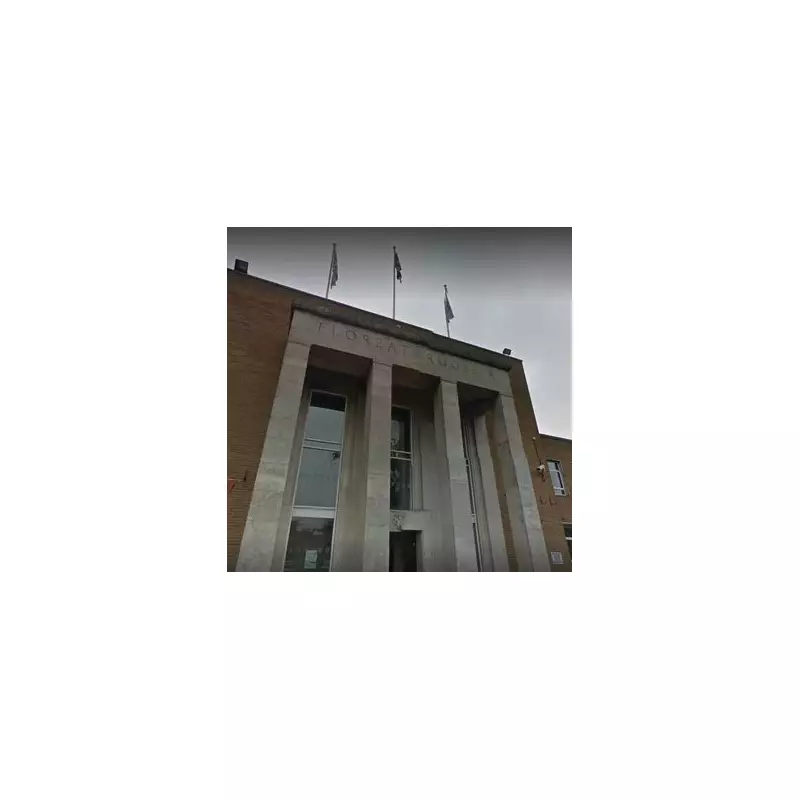
A crucial decision on the future of local democracy in Rugby is set to be made this week. A panel of six senior councillors will determine whether to request the government cancels the local elections scheduled for May 2026.
The High-Stakes Decision for Rugby's Cabinet
On Thursday, the cabinet of Rugby Borough Council – a six-strong group of Labour councillors overseeing major service areas – will vote on whether to ask national government to axe the upcoming May ballot. While the cabinet's recommendation is key, the final authority rests with ministers in Westminster.
The move comes after the government sought views from all councils undergoing local government reorganisation and due to hold elections this year. The sweeping change, which will merge services from Warwickshire County Council and district authorities like Rugby into a new single-tier unitary council, must be completed by April 2028.

If that timeline holds, elections for the new all-purpose authority would occur in May 2027. This means any borough councillors elected in 2026 would serve a maximum of two years, with one of those years partly under the shadow of the incoming unitary authority.
Weighing the Cost: £160k Saving vs. Democratic Duty
The professional advice presented to councillors outlines a significant financial incentive for cancellation. A cabinet paper authored by Rugby Borough Council's chief executive, Dan Green, estimates that scrapping the elections would save approximately £160,000. It notes that preparations for the vote are already progressing, with venues booked and printing arranged, and confirms the council is capable of running a lawful election if required.
However, the paper urges the cabinet to consider whether cancellation would "release resources" to focus on the "extremely resource intensive" reorganisation work. It stresses the "overriding requirement" to maintain resident services while preparing for the biggest shake-up of local government structures in over fifty years.
A Political Divide: Labour, Tories, and Coalition Partners
The debate has exposed clear political fault lines. The Conservative opposition has publicly demanded the elections proceed. In a joint letter, borough group leader Councillor Derek Poole and county councillor Councillor Adrian Warwick argued that "residents deserve to have their say" on Labour's recent decisions, including the emerging local plan and the push to acquire Rugby Central. They contend elections should only be cancelled "if there is no possible alternative."
This stance contrasts with that taken by former Warwickshire County Council leader Izzi Seccombe, who successfully requested the cancellation of that authority's 2025 elections for similar reasons.
Rugby's Liberal Democrats, who support Labour's minority administration, have expressed doubts. In a social media post, they questioned the sense in holding "full elections for a council that will exist for only a short time," framing the key issue as whether new councillors would have real influence or merely act as a "caretaker body."
Reform UK, which controls Warwickshire County Council, has also objected to any cancellation, with leader Councillor George Finch adding his voice to those calling for the ballot to go ahead.
The cabinet's decision on Thursday will set the course for Rugby's immediate political future, balancing democratic accountability against financial prudence and administrative capacity during a period of historic change.