Couple Forced to Live in Garden Shed for Four Years After River Pollution Halts Dream Home
A couple from Herefordshire has been trapped living in their garden shed for the past four years after their plans to build a £370,000 eco-home were halted by pollution in a river located 12 miles away. Jane Coyle, 64, and her husband Anthony, 67, submitted plans in 2020 to construct a three-bedroomed eco-home in a woodland setting in Edwyn Ralph, Herefordshire.
The Lugg Moratorium and Its Impact
Their project was affected by the county's 'Lugg Moratorium', which has delayed numerous developments in parts of the region for years due to elevated phosphate levels in the River Lugg. As a result, the couple has been compelled to reside in a 6m x 3m garden shed next to their unconstructed 250sq m property after planning permission was refused until only last year.
Jane and Anthony had sold their six-bedroom farmhouse in Ross-on-Wye before purchasing the land for £120,000, intending to spend an additional £250,000 building their forever home. Jane, a mother-of-three who works in property sales, expressed frustration, stating, "We are all for protecting water courses, but we have been stuck living in our shed through no real fault of our own."

Planning Delays and Personal Struggles
The couple bought the plot from someone who had permission to build a four-bedroom bungalow in 2018 and submitted their own design in 2020. They worked with an architect on an eco-friendly design using timber materials to reflect the woodland setting. "We were assured by our planning officer it wouldn't take long, around eight weeks, and knew nothing of this moratorium until September 2020," Jane recalled.
She added, "The crazy thing is if we had been a couple of fields away, we would have been okay. Houses three-quarters of a mile up the road have been getting permission to build all this time." Since 2020, they have been in limbo, initially moving into a static caravan on the site before transitioning to the garden shed in 2022.
The shed, which now includes a log burner, full insulation, a shower room, and a kitchen area, serves as their temporary home. However, when their children visit, they must stay in camper vans or teepees. The couple has been unable to erect a Christmas tree since before the Covid pandemic and keeps all their belongings in a storage unit outside the shed.
Phosphate Credits and Legal Action
They finally secured planning approval in 2025 after purchasing 'phosphate credits', which help counterbalance the impact of construction by supporting a wetlands scheme. These credits can cost thousands of pounds, and Jane noted they still owe £7,000 before building can start. "But the amount of phosphate we produce could fit in a test tube while you're watching acres and acres around you being covered in chicken slurry," she said.
The couple is now involved in the largest-ever environmental legal action in the UK, with law firm Leigh Day submitting a claim representing 4,500 individuals impacted by river contamination. The lawsuit alleges that the Lugg Moratorium has prevented the construction of approximately 2,000 homes and targets poultry producers Avara Foods Limited and Freemans of Newent Limited, along with utility company Welsh Water.
Health and Financial Consequences
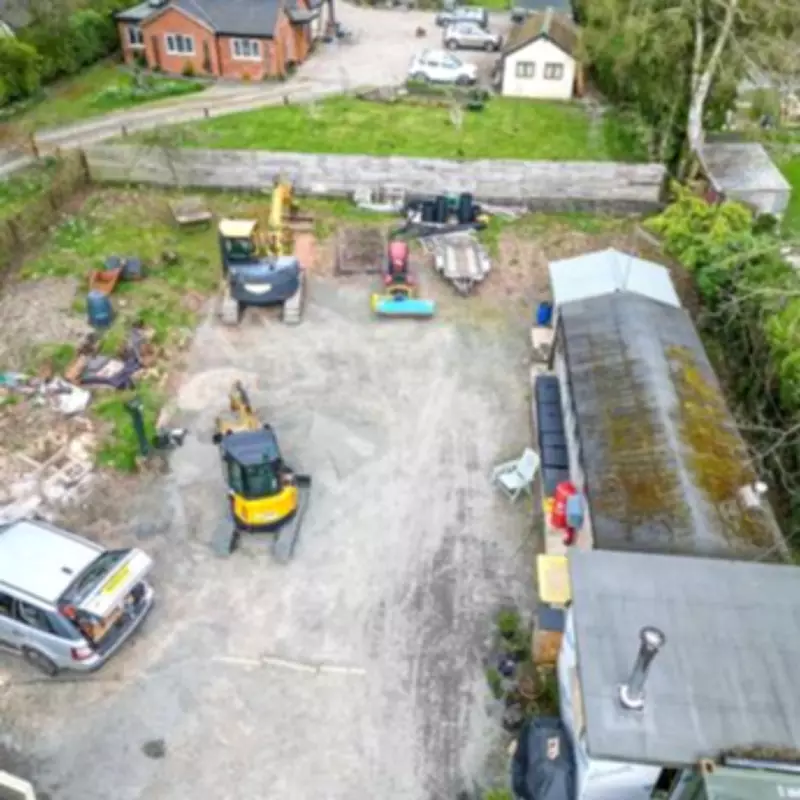
Mr. Coyle's health issues have further delayed their construction timeline, and the postponement has led to astronomical extra costs, including requirements for solar panels and battery storage. Jane explained, "Now we finally have planning permission, my husband has been too unwell to do the work, so it's a bit of a dumping ground with a digger there at the moment."
They now face paying £400,000-£500,000 for a professional builder to complete work they had planned to do themselves years ago, leaving them significantly out of pocket. Jane added, "We now face having to pay £400,000-£500,000 on paying a professional builder to do the work we were going to do ourselves years ago, so we will be significantly out of pocket."

Broader Environmental and Legal Context
The legal firm contends that chicken farms generate 66% of the nutrient contamination preventing development, while new housing projects contribute less than 1%. The lawsuit alleges that water drainage from agricultural land treated with poultry waste, combined with sewage discharges, has caused serious pollution through elevated levels of phosphorus, nitrogen, and bacteria.
This contamination has led to algal blooms, fish fatalities, and strong smells, harming tourism, leisure activities, and house prices since 2019. Oliver Holland, partner at Leigh Day, commented, "The concerns of people impacted by the Lugg Moratorium are something we echo, and with the legal claim, we will look to hold those allegedly responsible to account."
In response, a Welsh Water spokesperson stated that as a not-for-profit organisation, regulated fees limit available funds for infrastructure investment. They highlighted delivering £70 million in improvements over the past five years but noted increased pollution from other sectors has reduced the impact. Avara Foods defended its position, stating there is no scientific data linking them to the river's condition and emphasizing that individual farmers are responsible for nutrient usage.