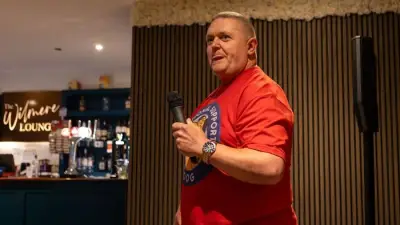
Andy Young, a 62-year-old retired financial controller from Harpenden, Hertfordshire, had not taken a single sick day in 17 years. But just months after retiring, he was diagnosed with incurable blood cancer, myeloma, after noticing an unexpected loss of taste for beer.
Sudden Change in Beer Taste Led to Diagnosis
Andy, a keen homebrewer who regularly enjoyed a pint at weekends, first became concerned in the run-up to Christmas last year when he suddenly 'went off beer'. He also experienced mild flu-like symptoms, including fatigue, nausea and chest discomfort, which he initially dismissed. However, after the symptoms persisted, he visited his GP in January.
Blood tests revealed his kidneys were not functioning properly, prompting further investigations. After scans, urine analysis and a bone marrow biopsy, Andy was diagnosed with myeloma in March. He was told the condition was treatable but not curable.

Shock After Years of Good Health
“17 years without a day off sick and then I retire and months later I get cancer,” Andy said. “I didn’t really have any symptoms - apart from the beer bit, the rest were all just vague. But if something doesn’t feel right, or something changes, then it probably isn’t right. Get it checked.”
Before his diagnosis, Andy had passed a routine check-up at age 60 'with flying colours'. His sudden aversion to beer stood out as unusual. “One time it took me nearly three hours to drink a beer,” he said. “There was something about the taste because I really wasn’t enjoying it. It was an effort to get through it.”
Delayed Diagnosis Despite Persistent Symptoms
Initially, Andy believed his symptoms would resolve on their own, especially after finding online that they could be linked to the flu. But when there was no improvement after three weeks, he sought medical advice. Despite early suggestions that his kidney function might improve with increased hydration, further tests showed no change. It took nearly three months before doctors confirmed the diagnosis of myeloma.
“The consultant came in to break the news and said, ‘You’ve got myeloma, it’s a blood cancer, it’s treatable but not curable. Any questions?’,” Andy said. “It was a huge shock… I was just thinking it was a kidney problem. How do I tell my loved ones? What does this mean?”
Myeloma: Common but Often Misdiagnosed
Myeloma UK describes the condition as the third most common type of blood cancer, affecting more than 35,000 people in the UK. Symptoms can include fatigue, bone pain, recurring infections and kidney damage, but are often mistaken for signs of ageing or minor illnesses.
Andy said he had never heard of the condition before his diagnosis, but adopted a pragmatic approach to treatment. “There’s no point going, ‘why me?’,” he said. “You’ve just got to accept it and then see what treatments are available.”
Treatment and a Positive Sign
He began treatment with steroids and later chemotherapy. During a family holiday to the Lake District, he was able to enjoy a beer again for the first time since becoming unwell. “I can drink a beer now, so I think that (strangely) shows that the chemotherapy is working and my kidneys must be improving,” he said.
However, further scans revealed the cancer had caused two fractures near the top of his spine, putting him at risk of serious complications, including paralysis. Andy said this came as a 'complete shock' as he had not experienced any pain. He now wears a back brace - including a custom-made Spider-Man-themed version chosen to delight his granddaughter - while continuing weekly chemotherapy treatments.
Stem Cell Transplant Ahead
Andy is due to undergo a stem cell transplant in October, which he hopes will help him reach remission, although he admits he is apprehensive. “Everything I’ve read… sounds horrendous for a week or two,” he said. “But when you look at the outcome… it’s worth going through a bad patch just to increase the chance of a longer remission.”
Despite the challenges, Andy said his diagnosis has shifted his outlook on life. “It has made me think about things more - and it is the simple things that matter,” he said.

Raising Awareness
Andy is now supporting Myeloma UK’s Know the Warning Signs campaign, encouraging others to seek medical advice if they notice unusual or persistent symptoms. For more information, visit myeloma.org.uk/warning.