11 Medical Conditions That Qualify for Free NHS Prescriptions in England
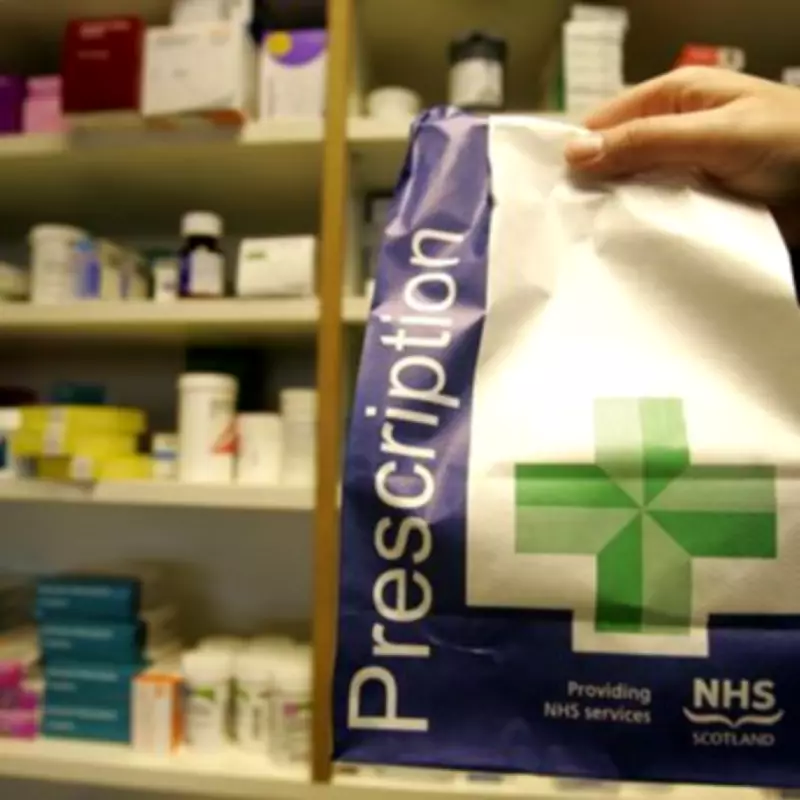
In England, a select group of medical conditions can grant patients access to free NHS prescriptions, offering significant financial relief for those managing chronic health issues. While Scotland, Northern Ireland, and Wales provide free prescriptions to all residents, England maintains specific regulations that determine eligibility based on medical and personal circumstances.
Who Is Eligible for Free Prescriptions?
Beyond the 11 key medical conditions, several other groups may qualify for free NHS prescriptions. Individuals aged 60 or over, under 16, or between 16 and 18 and in full-time education are eligible. Additionally, pregnant women and those within 12 months postpartum with a valid maternity exemption certificate can access free prescriptions. Those on low incomes, claiming certain benefits, or currently hospitalized may also be exempt from prescription charges.
A Medical Exemption Certificate is crucial for qualifying patients, as it helps avoid the cost of prescriptions. Patients who hold a valid war pension exemption certificate and require prescriptions related to an accepted disability are also eligible. It is essential to consult with a GP or healthcare provider to determine if you qualify for this certificate.

The Full List of Qualifying Medical Conditions
The NHS specifies that only the following 11 categories of medical conditions entitle patients to a medical exemption certificate for free prescriptions:
- Cancer – Including all forms and stages of the disease.
- Effects of cancer treatment – Such as ongoing therapies or side effects.
- A permanent fistula – Requiring continuous surgical dressing or an appliance.
- A form of hypoadrenalism – For example, Addison’s disease, needing specific substitution therapy.
- Diabetes insipidus and other forms of hypopituitarism – Conditions affecting hormone production.
- Diabetes mellitus – Except where treatment is managed by diet alone.
- Hypoparathyroidism – A disorder of calcium regulation.
- Myasthenia gravis – A neuromuscular condition causing weakness.
- Myxoedema – Including hypothyroidism requiring thyroid hormone replacement.
- Epilepsy – Needing continuous anticonvulsive therapy.
- A continuing physical disability – That prevents going out without the help of another person.
Financial Benefits and Savings
For those who qualify, free NHS prescriptions can lead to substantial annual savings. The Prescription Prepayment Certificate (PPC) costs up to £114.50 per year, meaning eligible patients could save this amount by avoiding prescription charges. This financial relief is particularly valuable for individuals managing long-term health conditions that require regular medication.
Patients are encouraged to review their eligibility and apply for a Medical Exemption Certificate if they believe they meet the criteria. Speaking with a healthcare professional is the first step to accessing these benefits and ensuring proper management of medical needs without the burden of prescription costs.