
Bristol lab 'excited' by hantavirus vaccine breakthrough
Bristol-based Ensilitech has made a breakthrough in developing a hantaan virus vaccine. The antigen tested successfully on animals, and the company now seeks funding for human trials.


Bristol-based Ensilitech has made a breakthrough in developing a hantaan virus vaccine. The antigen tested successfully on animals, and the company now seeks funding for human trials.

Venture capitalist Jon Moulton leads £4.3m funding round for Infex Therapeutics, targeting antimicrobial resistance and critical infectious diseases.
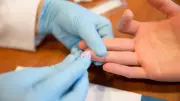
University of Bristol scientists discover a novel way to detect early signs of heart and kidney disease through a simple blood test, by examining the glycocalyx coating on red blood cells.

Researchers discovered that lacunar strokes, affecting 35,000 UK patients yearly, are linked to widened brain arteries, not blockages, explaining why standard treatments fail.

Shared lists with real-time sync. No signup needed — just open and shop together.
Recommended
Jordan and Cian Adams, carrying a rare gene with 99.9% dementia risk, have raised over £500k for research after losing their mother and 12 relatives to FTD.

Dr Nidhi Kakkar, a junior clinical fellow at Stepping Hill Hospital, has been recognized by BAPIO for her research on heart care during space travel and diagnostic challenges in limb weakness.

A pioneering Leicester, Leicestershire and Rutland kidney care project, LUCID, has been named a regional champion in the first NHS England Excellence Awards, improving care and saving £450k annually.

Two Edge Hill University MSc Public Health Nutrition graduates have their research on maternal nutrition education accepted for publication in the African Journal of Midwifery and Women's Health.

A 46-year-old man's unquenchable thirst and other symptoms led to a brain tumour diagnosis after a seizure on holiday in Greece. He has since raised over £100,000 for research.
Shared lists with real-time sync. No signup needed — just open and shop together.
Recommended
Researchers in the West Midlands received £60,000 to study weight-loss injections like Mounjaro and Ozempic as treatments for Polycystic Ovary Syndrome (PCOS), a common cause of female infertility.

New research reveals that high-dose influenza vaccines reduce Alzheimer's disease risk by nearly 55% in adults over 65, offering potential brain protection alongside flu prevention.

Simon Key, 64, from Harborne, Birmingham, shares how a routine cholesterol screening unexpectedly revealed prostate cancer, emphasizing the critical importance of regular health checks for early detection and treatment.
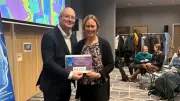
A clinical academic speech and language therapist from Sheffield Teaching Hospitals NHS Foundation Trust has received a national prize for her innovative research on stroke care, focusing on the Clear Water Protocol for swallowing difficulties.
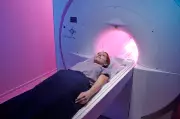
Private diagnostic scans, starting at £80, provide results in hours without GP referrals, offering a quicker alternative to NHS waiting times for health checks and screenings.
Shared lists with real-time sync. No signup needed — just open and shop together.
Recommended
Alan Cope, 69, participates in Oxford-Cambridge research aiming to replace brain scans with blood tests for dementia diagnosis within five years.
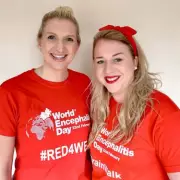
Olympic swimmer Rebecca Adlington shares the harrowing story of her sister's encephalitis diagnosis 21 years ago, when doctors told her family to 'prepare for the worst'.

Melanie Lucas, 50, was told she had months to live after an NHS app note, only to discover a rare neuroendocrine cancer. Her story reveals systemic delays in diagnosing this complex disease affecting thousands annually.

New research reveals tattoo ink can trigger uveitis, a serious eye condition causing blindness, with dozens reporting symptoms years after getting inked.

A coroner has issued an urgent warning about the heart medication apixaban after a healthy 64-year-old man died from a brain bleed following a minor fall. The report highlights missing safety advice in drug leaflets.
Shared lists with real-time sync. No signup needed — just open and shop together.
Recommended
Dr Andrew Madu from Basildon Hospital has received a national award for his presentation on genetic causes of heart muscle disease, highlighting improved diagnosis and family care.

The NHS has introduced a free digital toolkit featuring a heart age calculator to help UK residents assess their cardiac health risks based on lifestyle factors, aiming for early detection of potential issues.

A 20-year study reveals that playing a specific computer-based cognitive speed game for just 23 hours can reduce dementia risk by a quarter in older adults, offering a simple, non-pharmacological intervention for brain health.

New research from the University of Oxford reveals that AI chatbots frequently provide inaccurate and inconsistent medical information, posing significant dangers to patients seeking health guidance.

The official cause of death for legendary actress Catherine O'Hara has been confirmed as a pulmonary embolism, with rectal cancer listed as the underlying condition.
Shared lists with real-time sync. No signup needed — just open and shop together.
Recommended
The beloved actress Catherine O'Hara passed away from a pulmonary embolism following her fight with rectal cancer, as confirmed by her death certificate.

A leading cardiologist warns that ongoing chest pain or breathlessness may indicate a 'silent' heart attack, which often goes undiagnosed for years.

New University of Oxford research reveals most reported statin side-effects are not caused by the medication, prompting calls for urgent updates to official medical information leaflets.
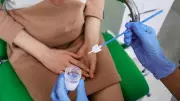
A new study reveals menstrual blood collected on sanitary pads could provide accurate HPV testing for cervical cancer, offering a non-invasive home screening alternative.

A leading neurologist explains how a simple at-home grip strength test could provide early warning signs of dementia risk, based on research linking muscle strength to brain health.
Shared lists with real-time sync. No signup needed — just open and shop together.
Recommended
New University of Cambridge research reveals menopause directly reduces brain grey matter, potentially explaining women's higher dementia risk. Hormone replacement therapy may help slow cognitive decline.
