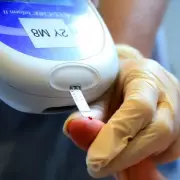
Birmingham Diabetes Trial Hailed as Game-Changer
A groundbreaking University of Birmingham study shows finger-prick blood tests can detect type 1 diabetes in children before symptoms appear, potentially preventing emergency diagnoses.


A groundbreaking University of Birmingham study shows finger-prick blood tests can detect type 1 diabetes in children before symptoms appear, potentially preventing emergency diagnoses.
Researchers in Scotland have identified a crucial protein that drives hard-to-treat bowel and liver cancers, opening new treatment possibilities.
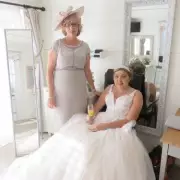
A mother shares the tragic story of her daughter Natalie, who died just seven weeks after her wedding. She now supports a new UK system, ACT-BT, to improve access to brain tumour clinical trials.

Former BBC Apprentice star Dr Asif Munaf removed from medical register after tribunal finds antisemitic, racist, and sexist social media activity and professional misconduct. Read the full details.

Shared lists with real-time sync. No signup needed — just open and shop together.
Recommended
Indi Powell, 18, survived a glioblastoma after US treatment. She now campaigns for more UK clinical trials funding, as only 5% of brain cancer patients get trial access. Support the cause.
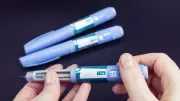
New research reveals weight often returns after stopping GLP-1 injections. Experts advise combining medication with lifestyle changes for lasting results.

Author Rachel Reid reveals the global hit TV adaptation of 'Heated Rivalry' is funding her access to top Parkinson's disease specialists, transforming her treatment after a two-year battle.

A Leicestershire mum supports a new £2.6m brain tumour research centre in Nottingham, three years after losing her son to glioblastoma. The centre aims to find a cure for the aggressive cancer.
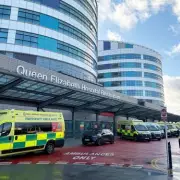
Aston University students partner with PFE Medical to develop biodegradable gloves for the NHS from orange peel, tackling a 1.4 billion-unit waste issue. Read the full story.
Shared lists with real-time sync. No signup needed — just open and shop together.
Recommended
A Cambridge researcher is using a £99,965 grant to analyse genetic clues in benign growths, aiming to save lives by distinguishing harmless lumps from deadly cancers. Read about the breakthrough.
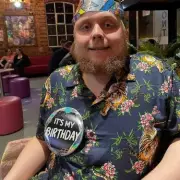
Andre Yarham from Norfolk, diagnosed with rare frontotemporal dementia at 22, has died. His family donated his brain to science to help fight the cruel disease.
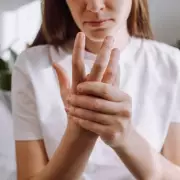
Methotrexate is a primary rheumatoid arthritis drug. Learn its serious side effects, when to call NHS 111 or 999, and crucial safety precautions for UK patients.

Jeremy Clarkson opens up about the side effects of Mounjaro, admitting the drug is 'eating' his muscle mass. The presenter says he'd rather stop the treatment than hit the gym.

A major UK study is sending finger-prick test kits to 150,000 Leeds households to screen children for lead exposure. Led by Northumbria University, it aims to transform national monitoring.
Shared lists with real-time sync. No signup needed — just open and shop together.
Recommended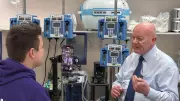
Professor Michael Nicholson receives OBE for normothermic machine perfusion, a technique he pioneered in Leicester, transforming transplant medicine and saving lives.
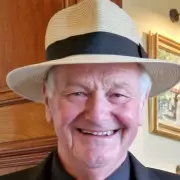
A major UK trial is investigating if metformin, a cheap diabetes medication, can stop the growth of deadly abdominal aortic aneurysms, offering new hope to thousands of patients.
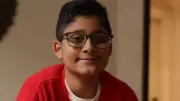
Avi Krishnan, 13 from Pinner, sees the world in shades of grey due to achromatopsia. His family supports Fight for Sight's Christmas appeal to fund sight loss research and gene therapy trials.
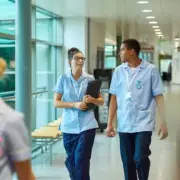
The NHS is launching a major trial of a new blood-cleaning device, Dialive, for acute-on-chronic liver failure. Starting early next year, it offers new hope for gravely ill patients.

Neena Chauhan, 27, suffered a near-fatal heart attack after ignoring recurring chest pains. Her story is a vital warning about heart attack symptoms in young women.
Shared lists with real-time sync. No signup needed — just open and shop together.
Recommended
Neena Chauhan, 40, shares her story of surviving a heart attack at 27 after ignoring chest pains. She now supports the BHF's Christmas campaign for lifesaving research.

New research reveals that changes in driving habits, tracked by GPS, can detect mild cognitive impairment with 87% accuracy. Learn how this could lead to safer roads and earlier interventions.

Birmingham will host Life Sciences Week 2026 from Sept 21-25. The event unites biotech, pharma, and academia leaders. Book your place now to join the UK's premier life sciences gathering.

A Wednesbury medical centre will become one of the UK's first pharmacies to use robotic technology for dispensing prescriptions, serving hundreds of new homes planned for Friar Park. Discover how this innovation will transform local healthcare services.

New research reveals arginine, a natural amino acid, could prevent harmful brain plaque linked to Alzheimer's disease. Discover the potential breakthrough for neurodegenerative conditions.
Shared lists with real-time sync. No signup needed — just open and shop together.
Recommended
Scientists discover a common amino acid supplement could reduce Alzheimer's risk by preventing harmful brain plaque. An 'exciting' development for UK dementia care.

Groundbreaking UK study reveals long Covid is linked to persistent microclots, disrupting blood flow. Discover the science and new NHS winter mask guidance.

This Morning's life coach Michelle Elman reveals she needs another brain operation to remove a cyst. The 32-year-old has already undergone 15 surgeries.

Tamworth radio presenter Chris Williams, 41, reveals his devastating stroke experience and lonely first Christmas. Discover how stroke survivors face the festive season and the support available.
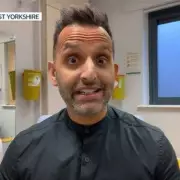
A TV doctor explains the crucial link between oestrogen drops and debilitating migraines in women, and how new treatments are offering hope. Learn more about the science.
Shared lists with real-time sync. No signup needed — just open and shop together.
Recommended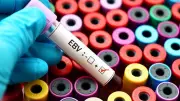
A groundbreaking UK-led trial is testing an mRNA vaccine targeting the Epstein-Barr virus as a potential new treatment for multiple sclerosis. Could this be a breakthrough?
